
About Terri

Terri Bowersock, creator of The Spelling Map, is a savvy Arizona entrepreneur and successful motivational speaker best known as the founder of Terri’s Consign & Design Furnishings, one of the earliest and most successful upscale consignment furniture chains in the United States. Her story is often told as a classic “overcoming adversity” narrative: a young woman with severe dyslexia who couldn’t fill out a traditional job application, so she built a multimillion-dollar business instead.
Early Life & Founding of Terri’s Consign & Design
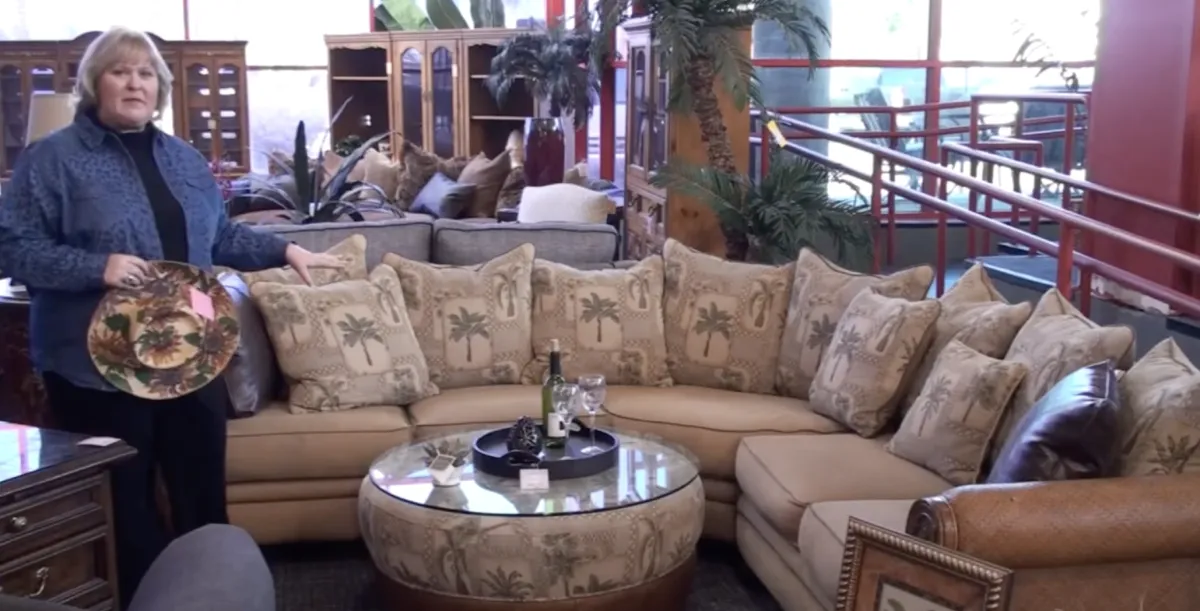
In the late 1970s, straight out of high school and struggling with dyslexia that made conventional employment difficult, Terri Bowersock decided she would have to work for herself. In 1979, she borrowed $2,000 from her grandmother, leased a small building in Mesa, Arizona, and filled it with “gently used” furniture from her own home and her mother’s. That modest consignment shop became the first location of Terri’s Consign & Design Furnishings.
At a time when upscale consignment furniture was still a niche idea, Bowersock’s vision was unconventional. Rather than relying on tiny classified ads, she invested in television advertising to explain the concept of consignment furnishings and to showcase the quality of the items her store carried. That strategy helped educate consumers, differentiate the brand, and drive rapid growth.
Her personal experience with dyslexia became part of her public story. Business coverage over the years has emphasized how she turned a disability into motivation, using grit and creativity instead of traditional credentials to build her company.
Awards & Recognition
Over the years, Terri Bowersock and her company received significant recognition:
Office Depot & Entrepreneur Magazine / Entrepreneurial Woman of the Year – In 1998, Entrepreneur magazine profiled Terri as the year’s winner of their national award, highlighting her startup story, her dyslexia, and the growth of Terri’s Consign & Design into a multimillion-dollar enterprise.
Phoenix Chamber of Commerce Athena Award – Furniture industry coverage notes that Bowersock received the Athena Award, which recognizes female leadership, community service, and professional excellence.

Retail Entrepreneur of the Year, presented by Ernst & Young.
Click on Video to Watch
These honors positioned her as a high-profile example of women’s leadership in business, particularly in a traditionally male-dominated industry like furniture and retail.
Growth of the Consignment Empire
From a single Mesa shop, Terri’s Consign & Design expanded into a multi-store, multi-state chain:
By the late 1990s, the business had grown into a franchised chain of 12 superstores in five states, with annual sales reported at around $15 million.
A 1996 report noted that she was selling franchises, including one in Las Vegas, confirming the brand’s regional reach.
In the early 2000s, the operation at its peak had 17 stores, around 300 employees, and revenue of roughly $36 million a year, underscoring just how large the consignment enterprise became.
Publicity & Media Coverage for Terri’s Consign & Design

Terri’s business model and personal story drew a great deal of media attention over three decades:
National Television: Coverage in the home furnishings press notes that Terri and her stores appeared on “The Oprah Winfrey Show,” a rare level of exposure for a consignment retailer.
Click on Video to Watch
Terri was featured on Oprah
National Print Media: The same reporting states she and her business were mentioned or featured in the Wall Street Journal, Money, Working Mother, and other magazines, further elevating her profile as a self-made entrepreneur and spokesperson for consignment retail.
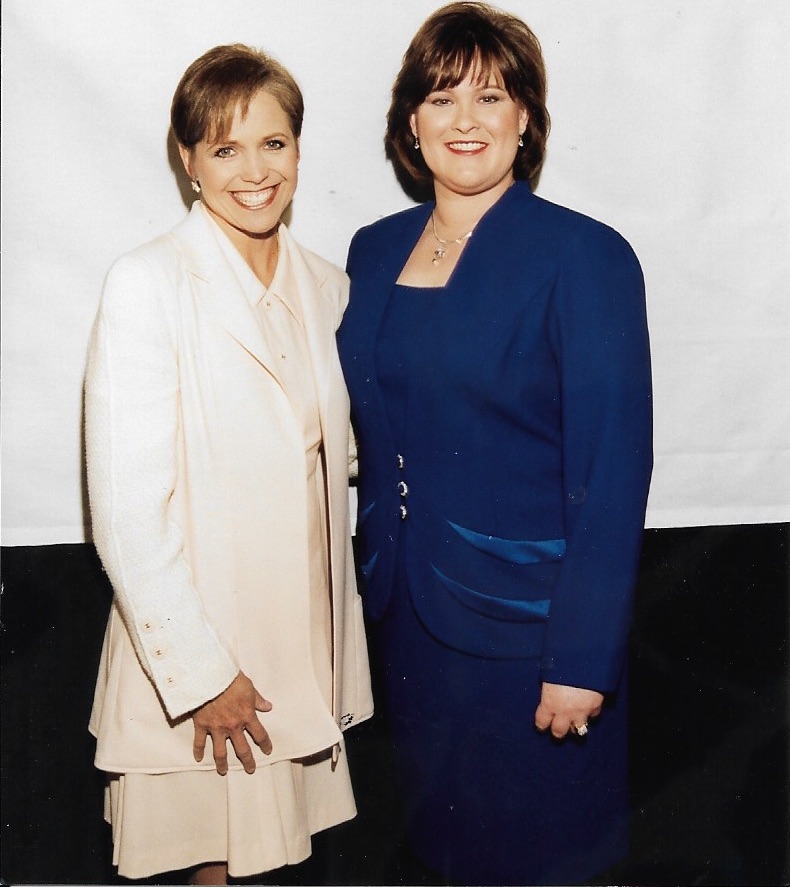
Terri with Katie Couric
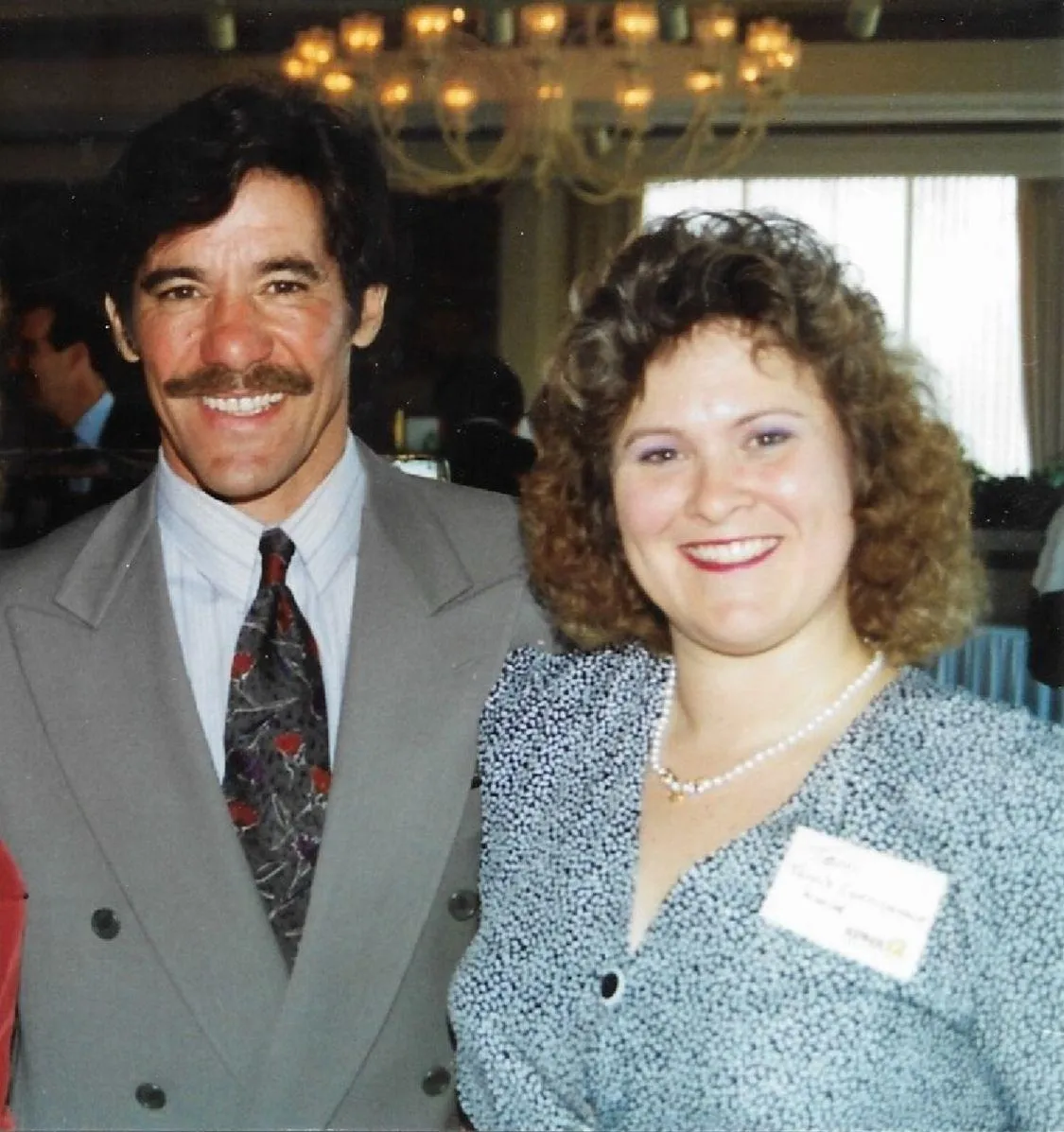
Terri with Geraldo Rivera
Entrepreneur Magazine: The 1998 Entrepreneur article “Designing Woman” told her full origin story—starting with the $2,000 loan from her grandmother, building the business to $15 million without bank loans, and then moving into franchising. It also underscored her role as a motivational speaker, especially for women in business.
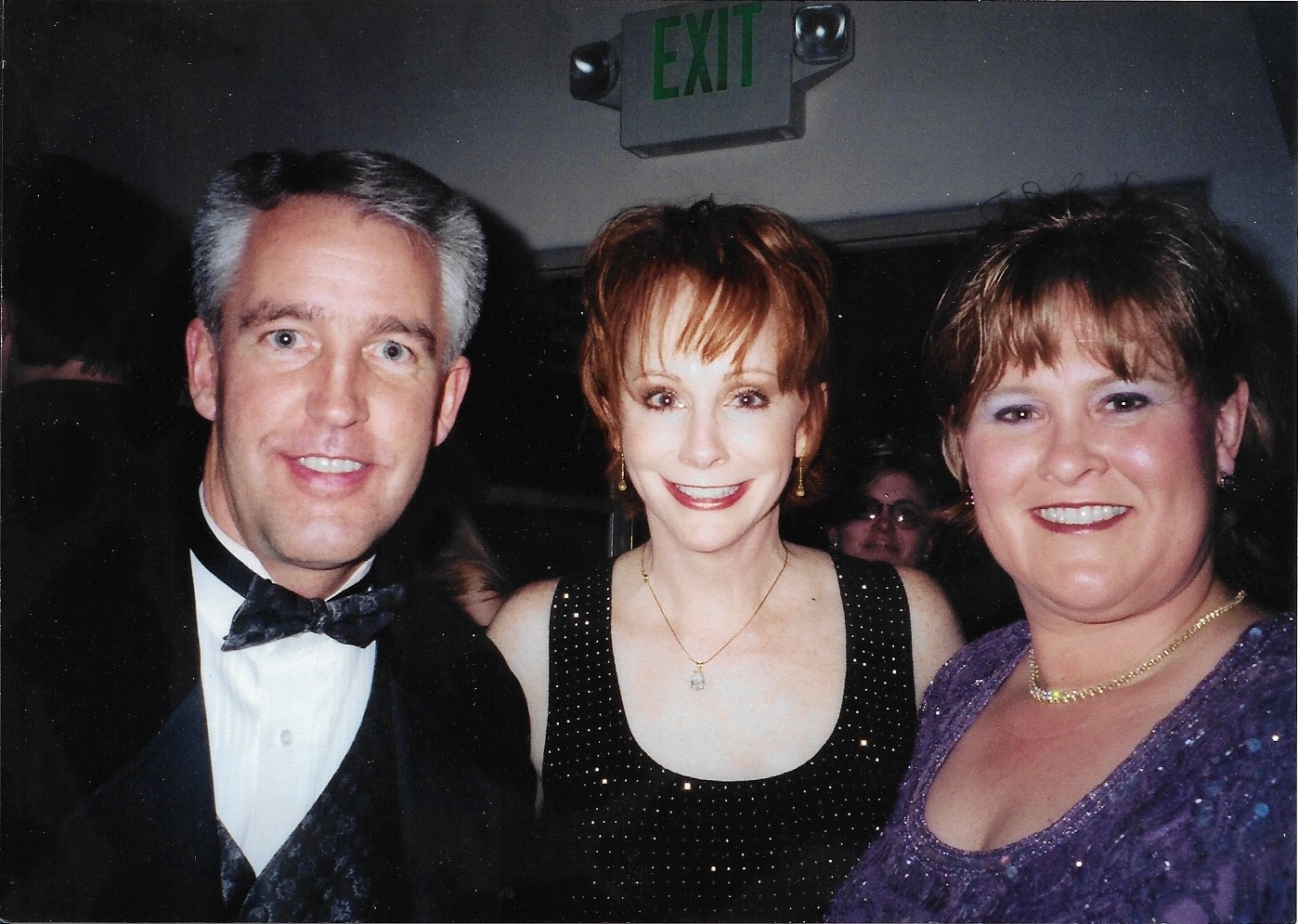
Terri with Reba
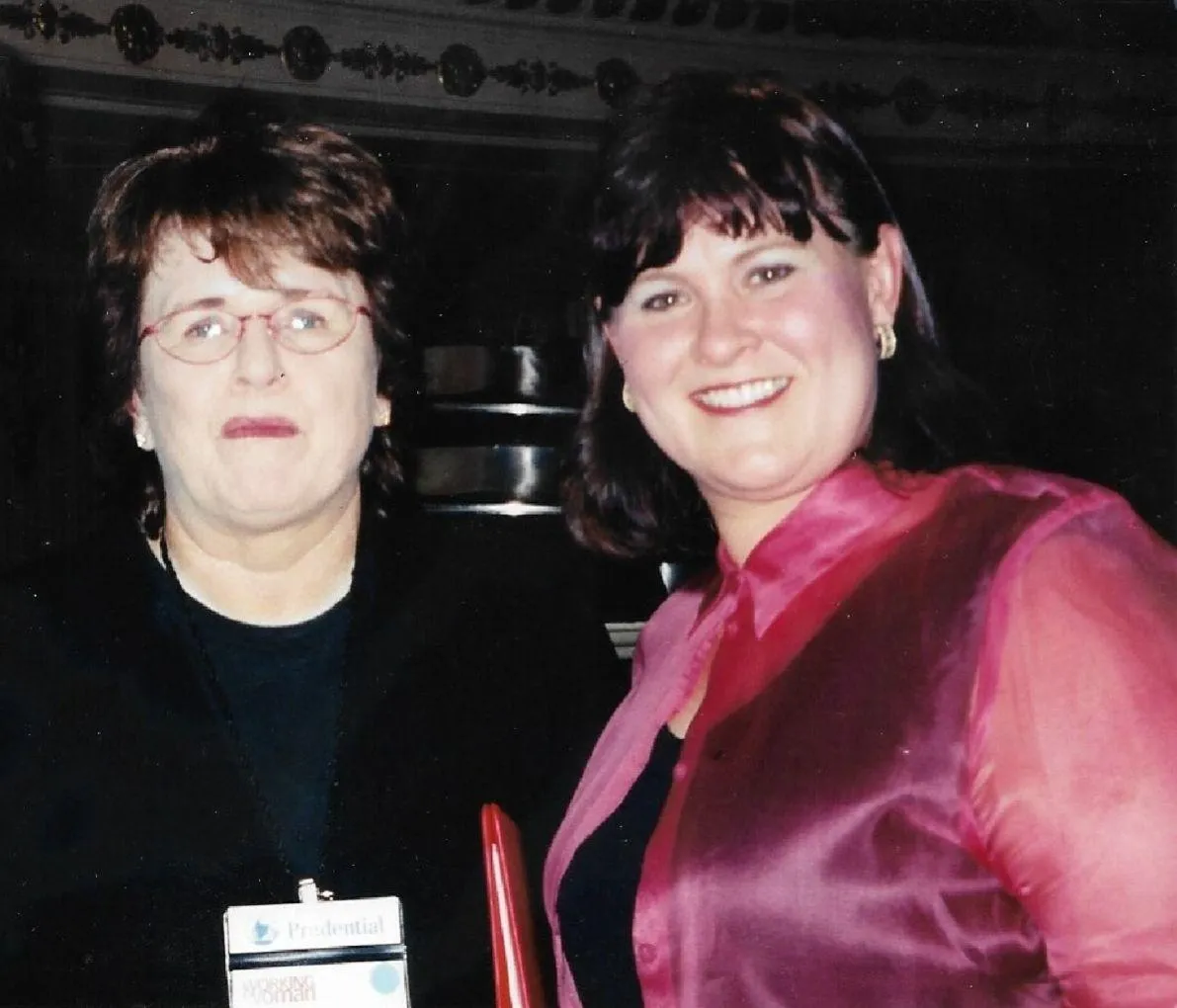
Terri with Tennis Champion, Billy Jean King
Furniture Industry Press: In addition to the high-profile lifestyle and business outlets, Terri’s Consign & Design was featured in specialty industry coverage such as Furniture Today’s “Beyond the Top 100” report, which highlighted the company among notable retailers outside the largest national chains.
Her local television commercials for Terri’s Consign & Design turned both Terri and her mother, Loretta Bowersock, into recognizable faces in Arizona. Both women became "local celebrities” because of these TV ads.
While later stories about the company covered the impact of the recession—those same articles also looked back at the business as one of the Arizona's most prominent entrepreneurial success stories, emphasizing how large and visible the chain had become in Arizona retail.
Terri’s mother, Loretta Jean Bowersock, played a crucial early role in Terri’s business, contributing all of her own furniture to that first consignment store and supporting her daughter’s entrepreneurial journey. Over time, Loretta also became familiar to viewers as the elegant woman who appeared in Terri’s TV ads, which made her something of a local personality in the Phoenix area.
Then, after overcoming adversity, and with all of their success. the unthinkable happened...
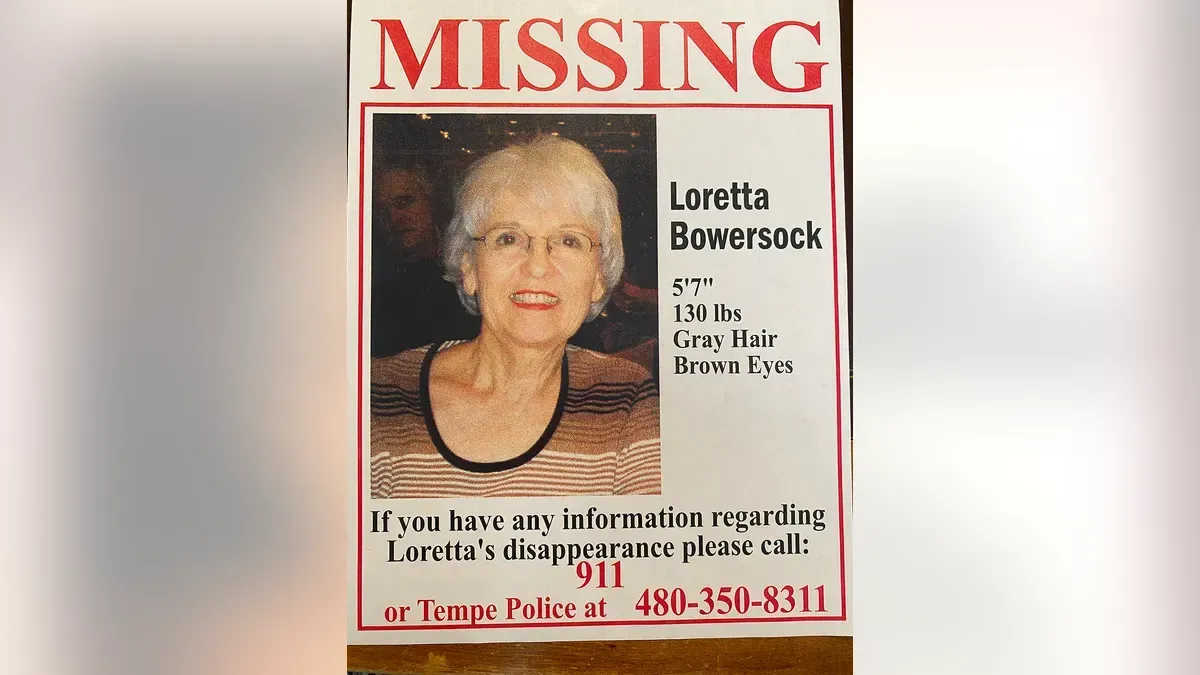
On December 14, 2004, Loretta, then 69, disappeared during a trip from Tempe to Tucson with her longtime companion, Taw Benderly. According to Benderly, he dropped her off at a Tucson mall to shop while he attended a business meeting, but security footage never showed her entering the mall.
When Loretta did not return, Benderly reported her missing and contacted Terri. The case quickly drew widespread public attention.

Loretta Bowersock, Terri's Mom
Loretta Bowersock: Her Disapperance & the Enormous Publicity Around Her Case
Terri used her media savvy and contacts to organize searches, distribute flyers, and keep her mother’s disappearance in the news, appealing for information and offering a reward.
News outlets reported that police initially considered the possibility of a kidnapping or robbery because Loretta was well-known from Terri’s commercials and might have been a target.
Just days after Loretta went missing, her boyfriend, Taw Benderly. was found dead by suicide in the Tempe home he'd shared with Loretta for 17 years. Reporting at the time indicated he was the main suspect in her disappearance, and investigators believed financial troubles and alleged fraud by Benderly, played a role in the events leading up to her death.
Discovery of Loretta’s Remains
For more than a year, Terri continued to search for her mother, convinced Loretta’s body was somewhere in the Arizona desert. In January 2006, hikers near Interstate 8 and Highway 84 in Pinal County, Arizona discovered skeletal remains in a shallow grave. Dental records confirmed they were Loretta’s. The Pima County Medical Examiner determined that she had died from asphyxiation, and authorities treated the case as a homicide.
Local coverage noted that Terri had previously walked stretches of Interstate 8 herself, searching for any sign of her mother, and that neither flyers nor reward money had produced answers before the remains were found.
Media & True-Crime Coverage
Loretta’s case received extensive, ongoing media attention, much of it focusing on Terri’s determination to find out what happened to her mother and to understand the financial and emotional abuse Loretta suffered.
A Tucson news article described how, as Terri went through her mother’s belongings, she uncovered documentation and evidence that pointed to years of financial exploitation and abuse, shedding light on the likely motive behind the crime.
Countless news organizations, news programs and magazines carried the story and continue to revisit it over the last 15 years. There are dozens of YouTube videos attributed to the case of Loretta Bowersock.
In 2023, Oxygen’s true-crime series “Buried in the Backyard” and related coverage recounted the case, emphasizing Loretta’s status as a local celebrity from Terri’s commercials and the long search for her remains.

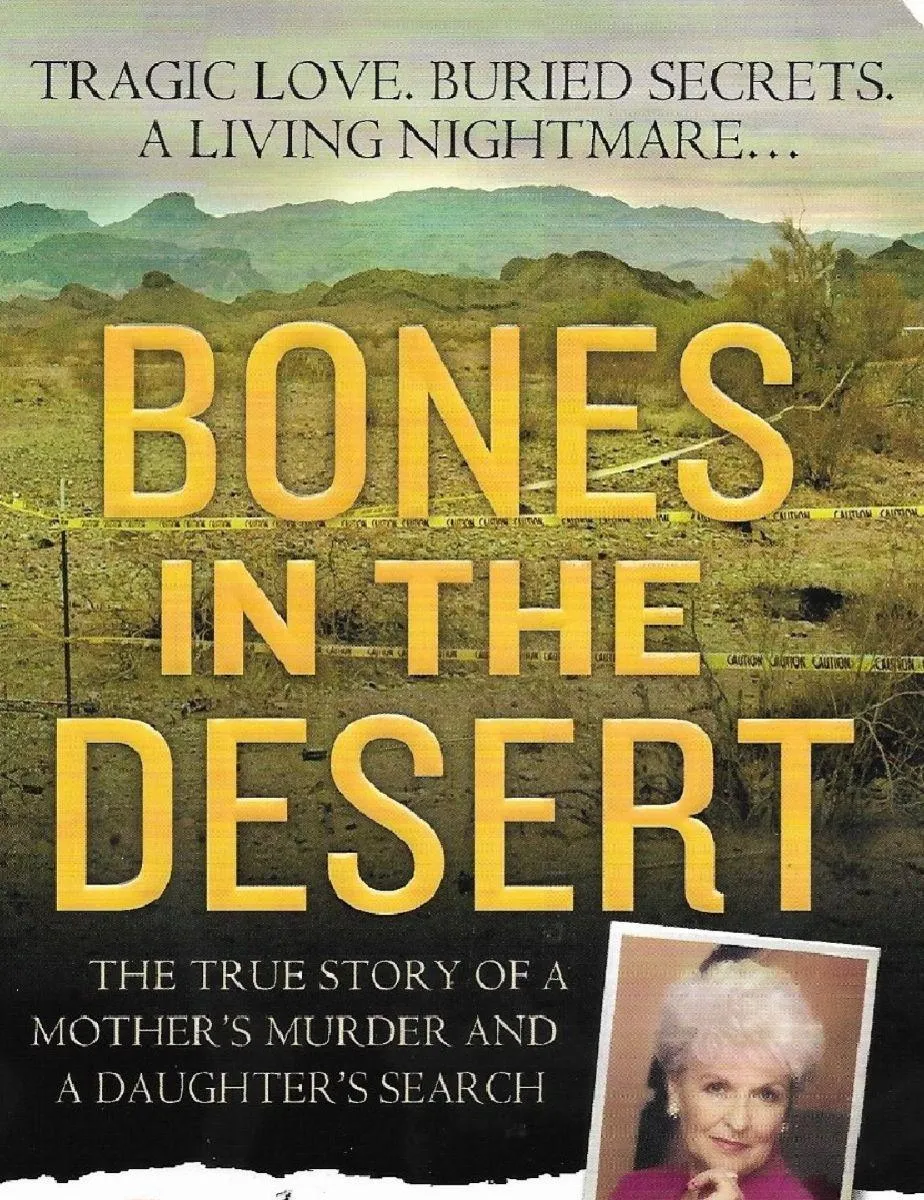
The case is also chronicled in the true-crime book Bones in the Desert, By Jana Bommersbach, which explores Loretta’s disappearance, the investigation, Terri’s search efforts, and the aftermath of discovering her mother’s body.
Additional national pieces, including a 2023 feature in the New York Post, quoted Terri speaking about her mother as a “very classy lady” who was “successful and smart,” and detailed the years of fraud and deception that authorities believe preceded Loretta’s murder.
Through this coverage, Terri has often been portrayed as both a successful entrepreneur and a daughter turned advocate, determined to honor her mother’s memory, expose the abuse she endured, and share their story so that others might recognize warning signs in their own lives so something like this doesn't happen to them.